fire escape bag — A fire escape bag can add an important option to a family evacuation plan when a baby, young child, dog or cat cannot use an escape ladder independently. It is not a substitute for smoke alarms, protected exits or an evacuation plan. It is specialised equipment that must be selected for the person or animal, the building and the intended route.
Why families consider a fire escape bag
Smoke, darkness and panic can make even a familiar staircase difficult to use. Babies and animals may freeze, hide or be impossible to guide quickly. A purpose-built carrier can keep them contained while an adult moves toward a safe exit. Some ISOP models can be worn like a backpack when the normal route remains usable; compatible configurations may also be lowered with the supplied rope from an appropriate window or balcony, strictly following the product instructions.
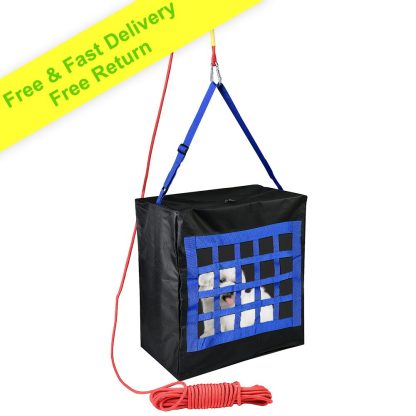
9 essential fire escape bag safety rules
- Build the plan around getting outside by the safest normal exit first.
- Choose the correct model and never exceed its stated load or dimensions.
- Measure the full escape distance and confirm that the supplied rope is long enough.
- Check the window, balcony and attachment point before an emergency.
- Place suitable soft support inside when the manufacturer instructs you to do so.
- Keep the mesh and ventilation openings unobstructed.
- Store the carrier beside the planned exit, never in a remote cupboard.
- Practise preparation without placing a child or animal in danger or making a live descent.
- Review the plan with every adult and include a safe outdoor meeting point.
Choosing the right size for children and pets
Measure weight and body size rather than choosing by age or breed alone. An anxious animal needs enough room to breathe without excessive movement, while a child needs stable support. Compare the stated capacity, internal dimensions, rope length, carabiner and attachment requirements. Inspect stitching, mesh, straps and rope periodically and replace any damaged component. Never improvise with shopping bags, backpacks or carriers not designed for emergency evacuation. fire escape bag.
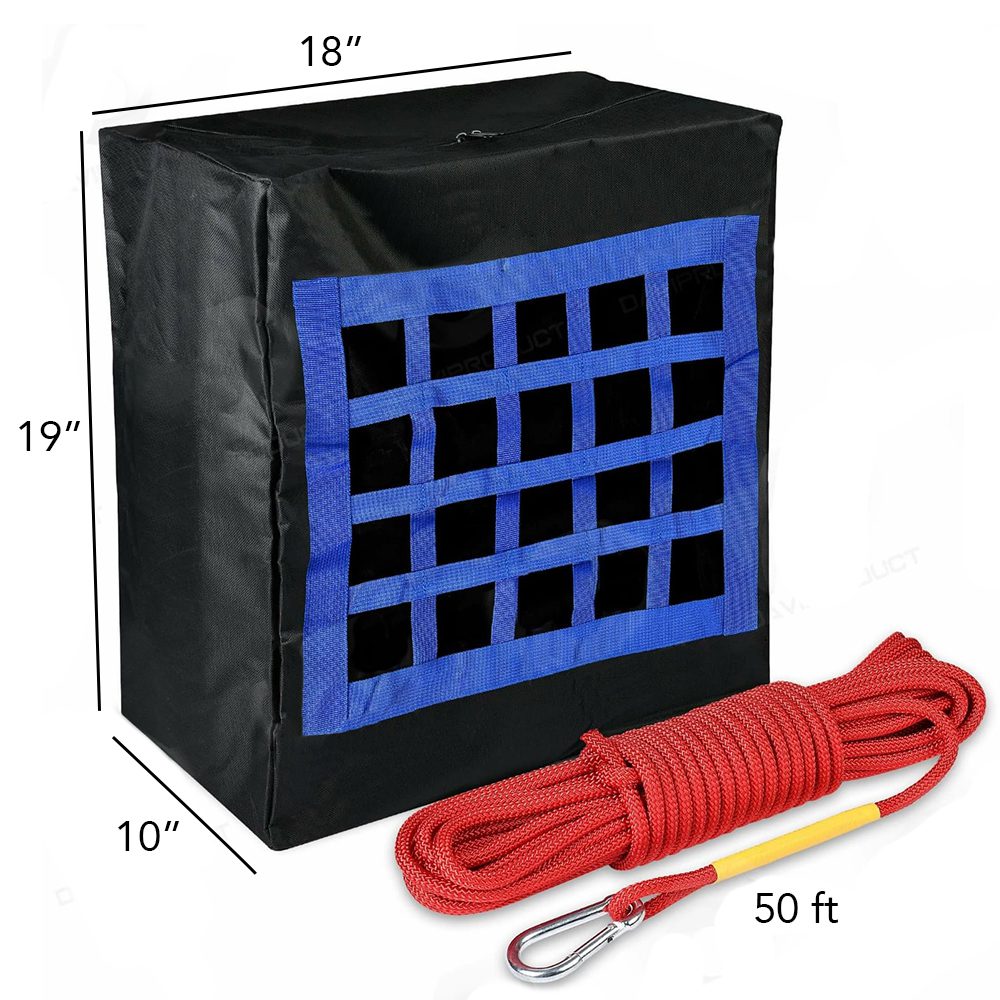
Make it part of a complete escape plan
Install and test smoke alarms, keep exits clear and identify two possible ways out of every sleeping room. Decide who will assist each child and animal, who will call emergency services and where everyone will meet. Keep leads, medication and essential contact details nearby only if they can be collected without delaying escape. Once outside, stay outside. Never re-enter a burning building for equipment or belongings.
Compare ISOP evacuation bags
ISOP offers compact and larger evacuation carriers for different needs. Product pages show the current size, load guidance, rope and attachment information. Click the images below to compare available fire escape bag options in your local ISOP store. Read every instruction before use and check the equipment as part of your household fire drill. fire escape bag.
Important: the carrier itself is not fireproof and must never be exposed to flames. Suitability depends on the building, attachment point and user. Follow local fire-service guidance, building procedures and the instructions supplied with the product.
Safety sources: U.S. Fire Administration — Home Fire Escape Plans; U.S. Fire Administration — Smoke Alarms.